







Common Medicine Storage Mistakes People Make at Home
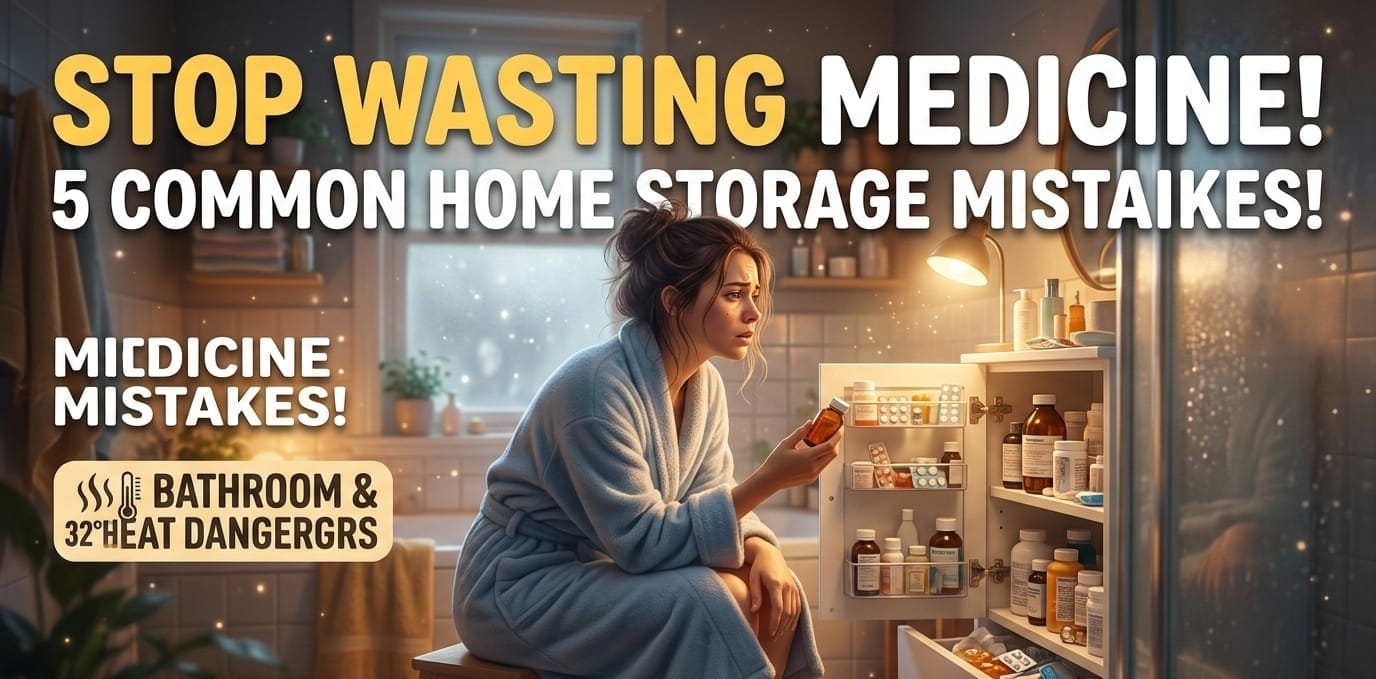
Many households keep a variety of medicines at home for common health issues such as fever, allergies, digestive problems, or minor injuries. While having essential medicines available is helpful, improper storage can reduce their effectiveness and even make them unsafe to use.
Understanding how to store medicines correctly is important for maintaining their quality, safety, and effectiveness.
Why Proper Medicine Storage Is Important
Medicines are carefully manufactured to remain stable under specific conditions. Factors like temperature, humidity, light, and air exposure can affect the chemical composition of medicines.
Improper storage may lead to:
- Reduced medicine effectiveness
- Faster expiration
- Increased risk of contamination
- Possible health risks for patients
Following proper storage practices ensures medicines remain safe and effective when needed.
Common Medicine Storage Mistakes at Home
1. Storing Medicines in the Bathroom
Many people keep medicines in bathroom cabinets because they are convenient and easy to access. However, bathrooms are often warm and humid environments due to showers and hot water.
Humidity can damage tablets, capsules, and powders, causing them to break down faster.
Better option: Store medicines in a cool, dry place away from moisture.
2. Keeping Medicines in Direct Sunlight
Sunlight and heat can degrade certain medicines and reduce their effectiveness. Exposure to light may also change the chemical composition of some medications.
Medicines left near windows or in hot environments may lose their potency.
Better option: Store medicines in a shaded location or closed cabinet.
3. Not Checking Expiry Dates
One of the most common mistakes is keeping medicines long after their expiration date. Expired medicines may not work properly and could even cause adverse reactions.
Regularly checking expiry dates helps ensure that only safe medicines are used.
4. Mixing Different Medicines in the Same Container
Some people transfer medicines into different containers or mix multiple tablets together. This can create confusion and increase the risk of taking the wrong medicine or incorrect dosage.
Always keep medicines in their original packaging with clear labels.
5. Storing Medicines Within Reach of Children
Medicines can be dangerous if accidentally consumed by children. Bright packaging or sweet-flavored syrups may attract children’s attention.
Keeping medicines within easy reach increases the risk of accidental poisoning.
Better option: Store medicines in a secure cabinet or childproof container.
6. Ignoring Special Storage Instructions
Certain medicines require specific storage conditions such as refrigeration or protection from light.
Ignoring these instructions can reduce medicine stability and effectiveness.
Always read the storage guidelines on the medicine label.
7. Keeping Medicines in the Kitchen
Kitchens may expose medicines to heat, humidity, and cooking fumes, which can affect their quality.
Although kitchens seem convenient, they are not always ideal storage environments for medications.
Tips for Proper Medicine Storage at Home
To ensure medicines remain safe and effective, follow these simple storage tips:
- Store medicines in a cool and dry place
- Keep medicines away from direct sunlight
- Always check expiry dates regularly
- Keep medicines in their original packaging
- Store medicines out of reach of children and pets
- Follow special storage instructions on labels
Organizing medicines properly also helps prevent confusion and ensures correct usage.
Importance of a Reliable Pharmacy
Buying medicines from a trusted pharmacy ensures that they are stored under proper conditions before reaching customers. Reliable pharmacies also provide guidance on safe medicine use and storage.
At Atina Pharma, we prioritize patient safety by offering genuine medicines and clear guidance on proper medication practices. Our goal is to help families maintain safe and effective healthcare at home.
When to Dispose of Medicines
Medicines should be safely disposed of if they are:
- Expired
- Damaged or contaminated
- No longer needed
- Stored improperly for long periods
Proper disposal prevents accidental use and protects household safety.