






Common Health Problems That Affect Families During Seasonal Changes
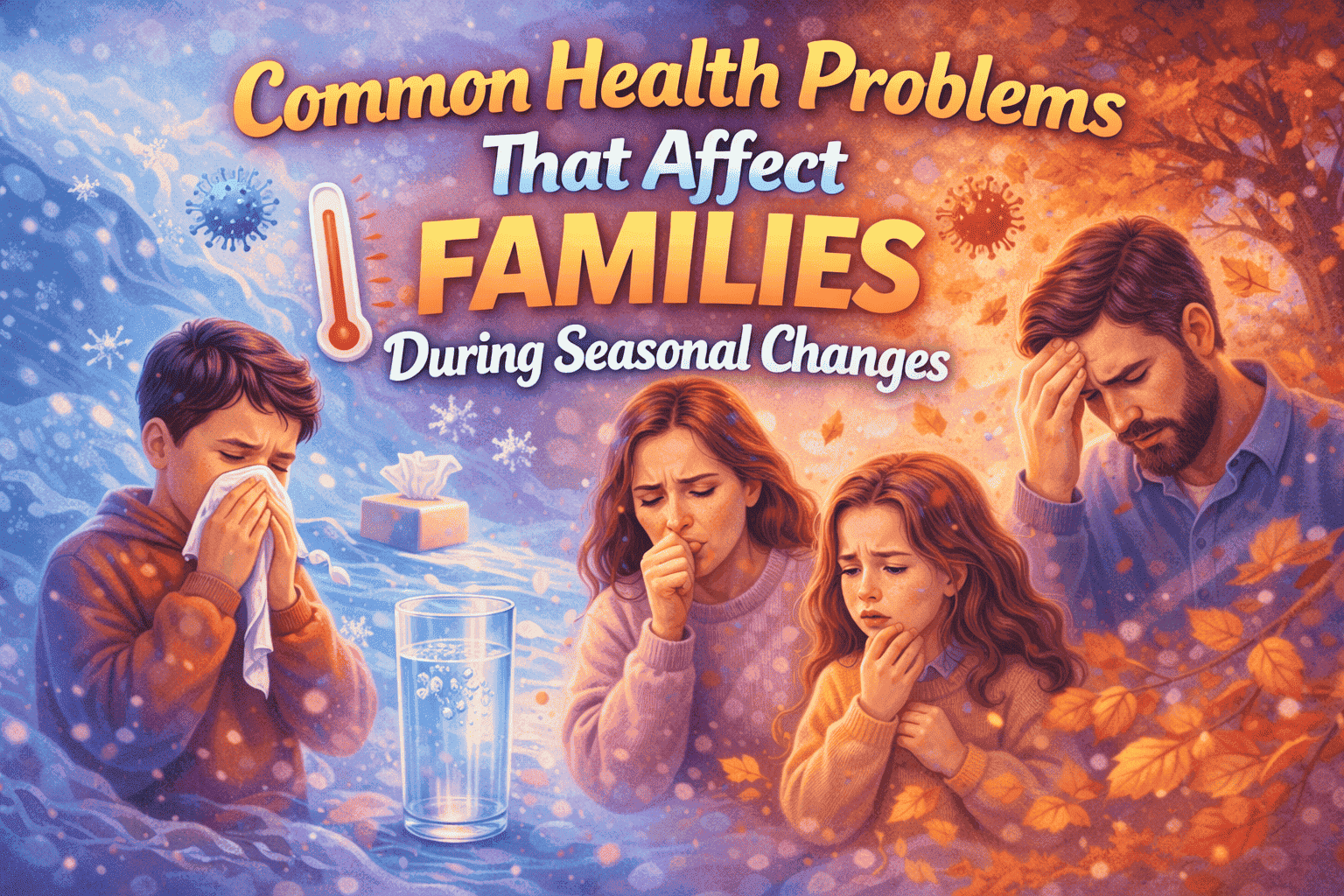
Seasonal changes bring refreshing weather and new experiences, but they can also lead to a variety of health problems for families. When temperatures fluctuate or humidity levels change, the human body takes time to adjust. During this period, people of all ages—from children to senior citizens—may become more vulnerable to infections and other health issues.
Understanding common health problems that occur during seasonal changes can help families take preventive steps, seek timely treatment, and maintain overall well-being.
Why Seasonal Changes Affect Health
Weather changes influence the body in several ways. Sudden shifts in temperature, humidity, and air quality can weaken the immune system and make the body more susceptible to illnesses.
Seasonal changes may cause:
- Increased exposure to viruses and bacteria
- Changes in lifestyle habits and sleep patterns
- Higher levels of pollution or allergens
- Reduced immunity due to environmental stress
As a result, many families experience a rise in certain health problems during transitions between seasons.
Common Health Problems During Seasonal Changes
1. Cold and Flu Infections
One of the most common health problems during seasonal changes is the spread of cold and flu viruses. These infections spread easily through coughs, sneezes, and close contact.
Common symptoms include:
- Runny or blocked nose
- Sneezing
- Fever
- Sore throat
- Body aches
Children and elderly family members are particularly vulnerable to these infections because of weaker immune systems.
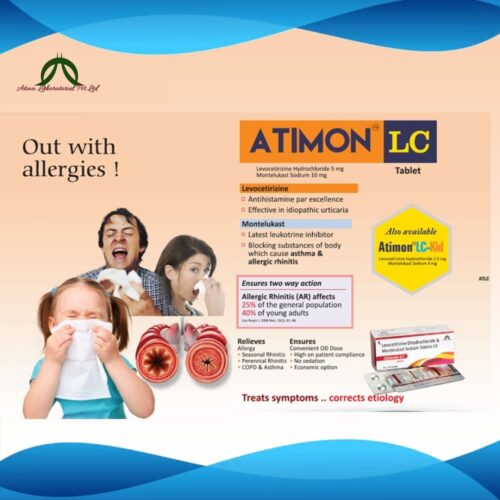
2. Seasonal Allergies
Seasonal allergies often occur when pollen, dust, or mold levels increase in the air. Many people experience allergic reactions when seasons change.
Symptoms of seasonal allergies may include:
- Sneezing
- Itchy eyes
- Nasal congestion
- Skin irritation
Allergy symptoms can disrupt daily activities and cause discomfort for both adults and children.
3. Respiratory Problems
Air pollution and weather changes can trigger respiratory conditions such as asthma or bronchitis.
People with pre-existing respiratory conditions may experience:
- Shortness of breath
- Wheezing
- Persistent coughing
Children and older adults are more likely to experience complications if respiratory issues are not managed properly.
4. Digestive Problems
Seasonal changes can also affect digestion due to dietary changes, contaminated food, or bacterial infections.
Common digestive issues include:
- Stomach infections
- Diarrhea
- Indigestion
- Food poisoning
Maintaining proper hygiene and safe eating habits is essential to avoid these problems.
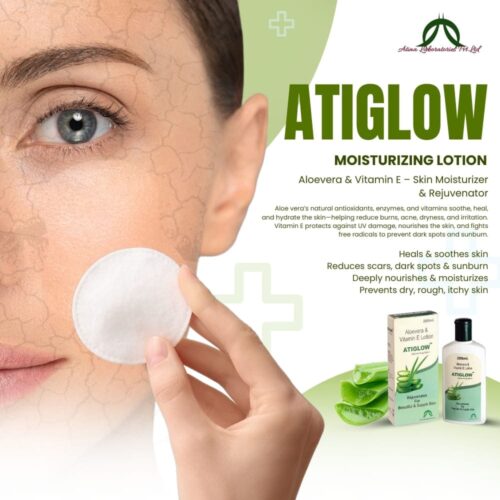
5. Skin Problems
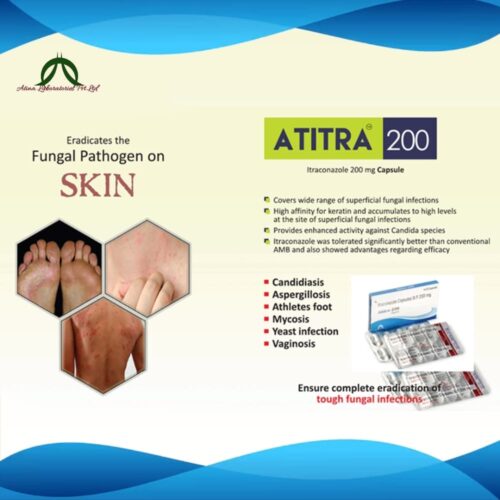
Changes in temperature and humidity can cause skin issues such as dryness, rashes, or fungal infections.
Common seasonal skin problems include:
- Dry or cracked skin
- Allergic skin reactions
- Heat rashes
- Fungal infections
Proper skincare and hygiene can help prevent these conditions.
6. Viral Fever
Viral infections often increase during seasonal transitions, especially during monsoon and winter months.
Symptoms may include:
- High fever
- Fatigue
- Headache
- Muscle pain
Most viral fevers resolve within a few days, but proper rest and medication are important for recovery.
Why Children and Elderly Are More Vulnerable
Children and senior citizens are more sensitive to environmental changes. Their immune systems may not respond as strongly as those of healthy adults.
Families should pay special attention to:
- Nutrition
- Hygiene
- Proper medication
- Adequate rest
Early treatment helps prevent complications in vulnerable individuals.
Preventive Health Tips for Families
Families can reduce seasonal illness risks by following simple health practices:
Maintain Strong Immunity
A balanced diet rich in vitamins and minerals helps strengthen the immune system.
Practice Good Hygiene
Regular hand washing and maintaining cleanliness can prevent infections.
Stay Hydrated
Proper hydration supports overall health and helps the body fight infections.
Avoid Sudden Temperature Changes
Gradually adapting to seasonal weather helps reduce illness risk.
Ensure Proper Rest
Adequate sleep helps the immune system function effectively.
Importance of Having Essential Medicines at Home
During seasonal changes, it is helpful for families to keep basic health supplies and medicines available for common symptoms.
These may include:
- Fever relief medicines
- Allergy medicines
- Cold and cough treatments
- Digestive care products
Access to reliable medicines allows families to manage minor illnesses quickly and safely.
Choosing a Trusted Pharmacy for Family Health
Buying medicines from a trusted pharmacy ensures quality, safety, and correct usage instructions.
At Atina Pharma, we provide genuine medicines and healthcare products that support the well-being of families during seasonal health challenges. Our goal is to help families stay healthy and prepared throughout the year.
When to Seek Medical Advice
While many seasonal illnesses are mild, medical attention may be necessary if symptoms become severe.
Consult a healthcare professional if:
- Fever lasts more than three days
- Breathing difficulties occur
- Severe dehydration develops
- Symptoms worsen instead of improving
Early medical care helps prevent complications and ensures proper treatment.