










How Stress Can Interfere with Medicine Effectiveness
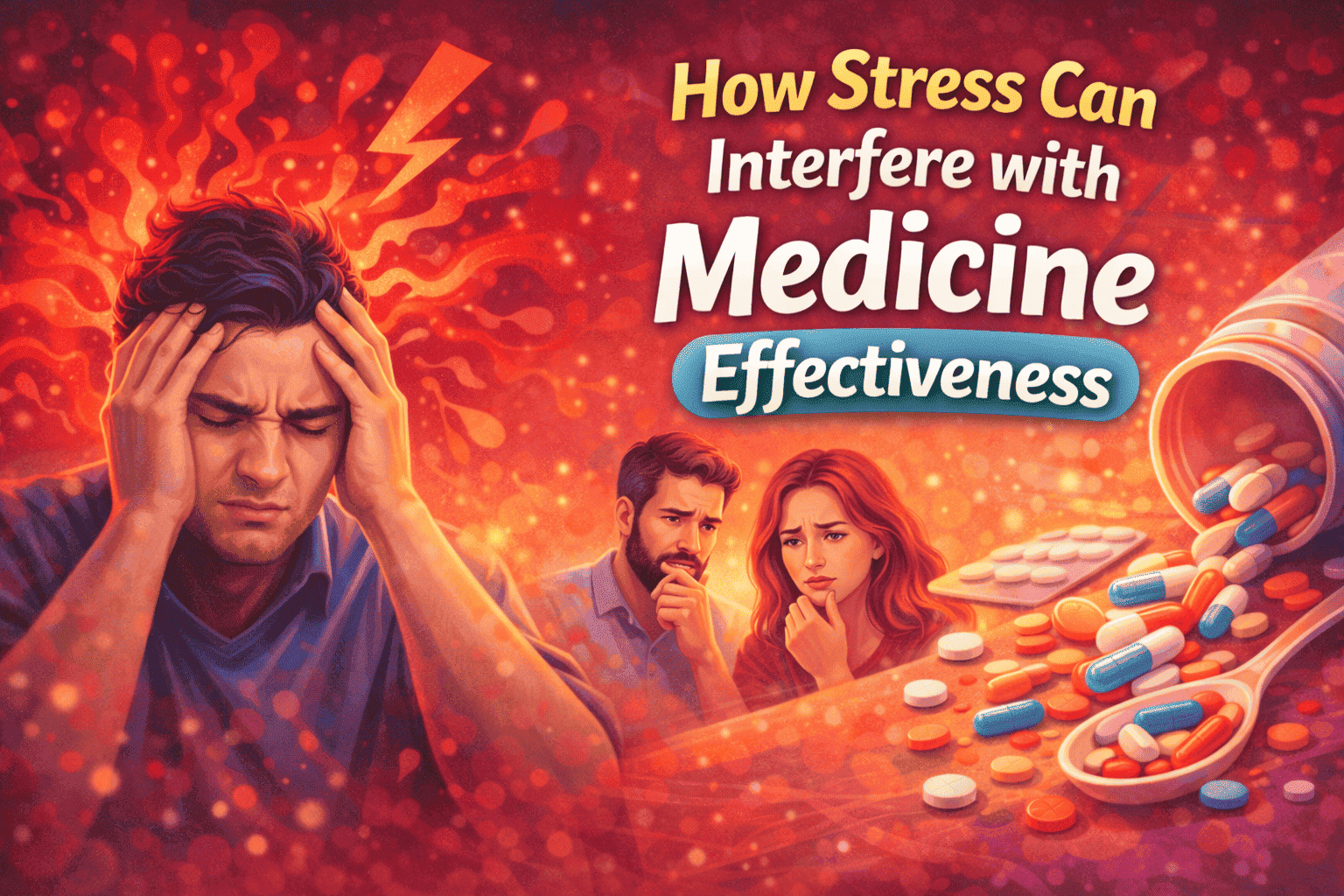
Stress has become a common part of modern life. Work pressure, financial worries, poor sleep, and health concerns can all lead to chronic stress. While many people know that stress affects mental health, fewer realize that stress can also interfere with how medicines work in the body.
Understanding Stress and the Body
When you experience stress, your body releases stress hormones such as cortisol and adrenaline. These hormones prepare your body for a “fight or flight” response. While this response is helpful in short-term situations, long-term stress can disrupt normal body functions, including digestion, metabolism, immunity, and sleep.
All of these systems play a key role in how medicines are absorbed, processed, and used by the body.
How Medicines Work in the Body
For a medicine to be effective, it must:
- Be absorbed properly
- Reach the correct level in the bloodstream
- Be metabolized at a normal rate
- Act on the target organ effectively
Stress can interfere at every stage of this process.
Ways Stress Reduces Medicine Effectiveness
1. Stress Affects Medicine Absorption
Stress can disturb digestion by:
- Increasing stomach acidity
- Slowing or speeding up gut movement
- Reducing blood flow to the digestive system
As a result, medicines taken orally may not be absorbed properly, leading to reduced effectiveness.
2. Stress Alters Metabolism of Medicines
The liver plays a major role in breaking down medicines. Chronic stress can:
- Overactivate liver enzymes
- Change how quickly medicines are processed
This may cause medicines to leave the body too fast or stay too long, both of which can reduce benefits or increase side effects.
3. Stress Weakens the Immune Response
For infections and inflammatory conditions, medicines often work alongside the immune system. Stress weakens immunity, making it harder for medicines to do their job, especially in:
- Viral infections
- Chronic inflammation
- Recovery from illness
4. Stress Reduces Medication Adherence
Stressed individuals are more likely to:
- Forget doses
- Take medicines irregularly
- Stop medicines early
Poor adherence is one of the biggest reasons medicines fail to work effectively.
5. Stress Increases Side Effects
Stress can make the body more sensitive to medicines, increasing the likelihood of:
- Nausea
- Headaches
- Dizziness
- Sleep disturbances
These side effects may cause patients to avoid or discontinue treatment.
Health Conditions Where Stress Strongly Affects Medicines
Chronic Diseases
Conditions like diabetes, high blood pressure, and heart disease are highly sensitive to stress. Stress can worsen symptoms and reduce medicine control.
Mental Health Conditions
Stress can reduce the effectiveness of medicines used for anxiety, depression, and sleep disorders.
Digestive Disorders
Stress-related gut issues can interfere with medicines used for acidity, ulcers, and IBS.
The Stress–Medicine Cycle
Stress can create a harmful cycle:
- Stress reduces medicine effectiveness
- Symptoms worsen
- Health anxiety increases
- Stress levels rise further
Breaking this cycle is essential for long-term recovery.
How to Reduce Stress for Better Medicine Results
1. Maintain a Consistent Medicine Routine
Taking medicines on time reduces treatment-related stress and improves results.
2. Improve Sleep Quality
Good sleep helps regulate stress hormones and improves medicine response.
3. Practice Stress-Management Techniques
- Deep breathing
- Light exercise
- Meditation
- Relaxation techniques
4. Eat a Balanced Diet
Proper nutrition supports digestion, immunity, and medicine absorption.
5. Communicate with Healthcare Professionals
Discuss stress levels with your doctor or pharmacist so treatment can be adjusted if needed.
Special Considerations for Elderly Patients
Senior citizens are more vulnerable to both stress and medication-related issues. Stress can worsen:
- Blood pressure control
- Sleep problems
- Memory and medicine adherence
Caregivers should provide emotional support along with proper medicine management.
Role of a Trusted Pharmacy
A reliable pharmacy supports patients beyond just supplying medicines.
At Atina Pharma, we help patients by:
- Providing clear medicine guidance
- Encouraging proper dosage and timing
- Supporting overall well-being through informed care
Good guidance can significantly improve treatment outcomes.
When to Seek Medical Advice
Consult a doctor if:
- Medicines are not showing expected results
- Stress or anxiety is affecting daily life
- Side effects increase during stressful periods
Never adjust medicine dosage without professional advice.